
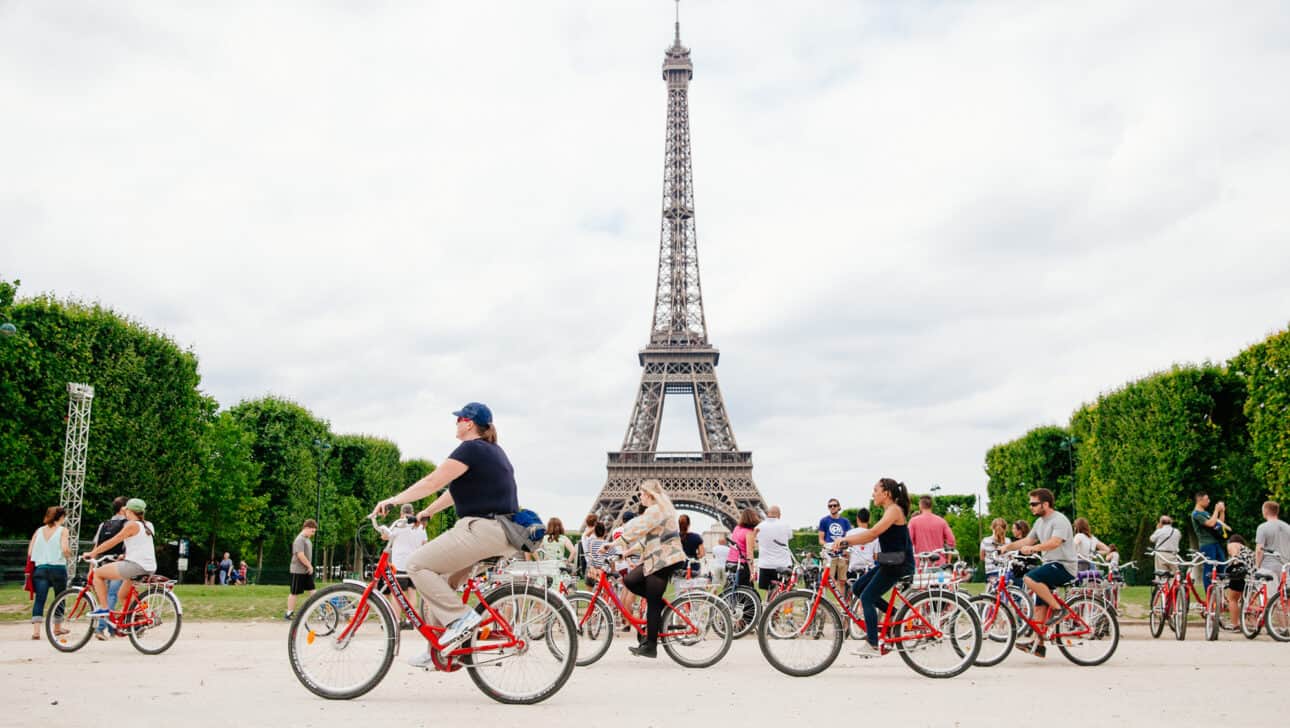
Paris, a city once known for its traffic and pollution, has transformed into a completely different place over the past decade.
The same streets that used to be jammed with cars are instead filled with crowds of pedestrians, bikes, and abundant greenery. This decade-long transformation was driven by the need to cut emissions amidst escalating climate issues.
Most of the credit for this initiative goes to the city’s mayor, Anne Hidalgo, who has served the city from 2012 to 2026. An advocate of green urban change, Hidalgo entered office with a vision of transforming the busy streets of the capital of France into a 15-minute city -- essentially a city where locals can find most of their needs without driving.
"Greening" Of Paris
Hidalgo’s work focused on reforming seven major squares, including the Place de la Bastille. The work included the addition of more than 200,000 trees and 550 kilometers of bike lanes, an improvement of Paris’ sewage system, and the Grand Paris Express project.
The most significant change attributed to the Grand Paris Express project is the shift from a metro system where each line is directed toward the center of the city to one where people can travel between different suburbs without having to pass through the center of Paris. This will significantly reduce travel times while also promoting travel without cars.
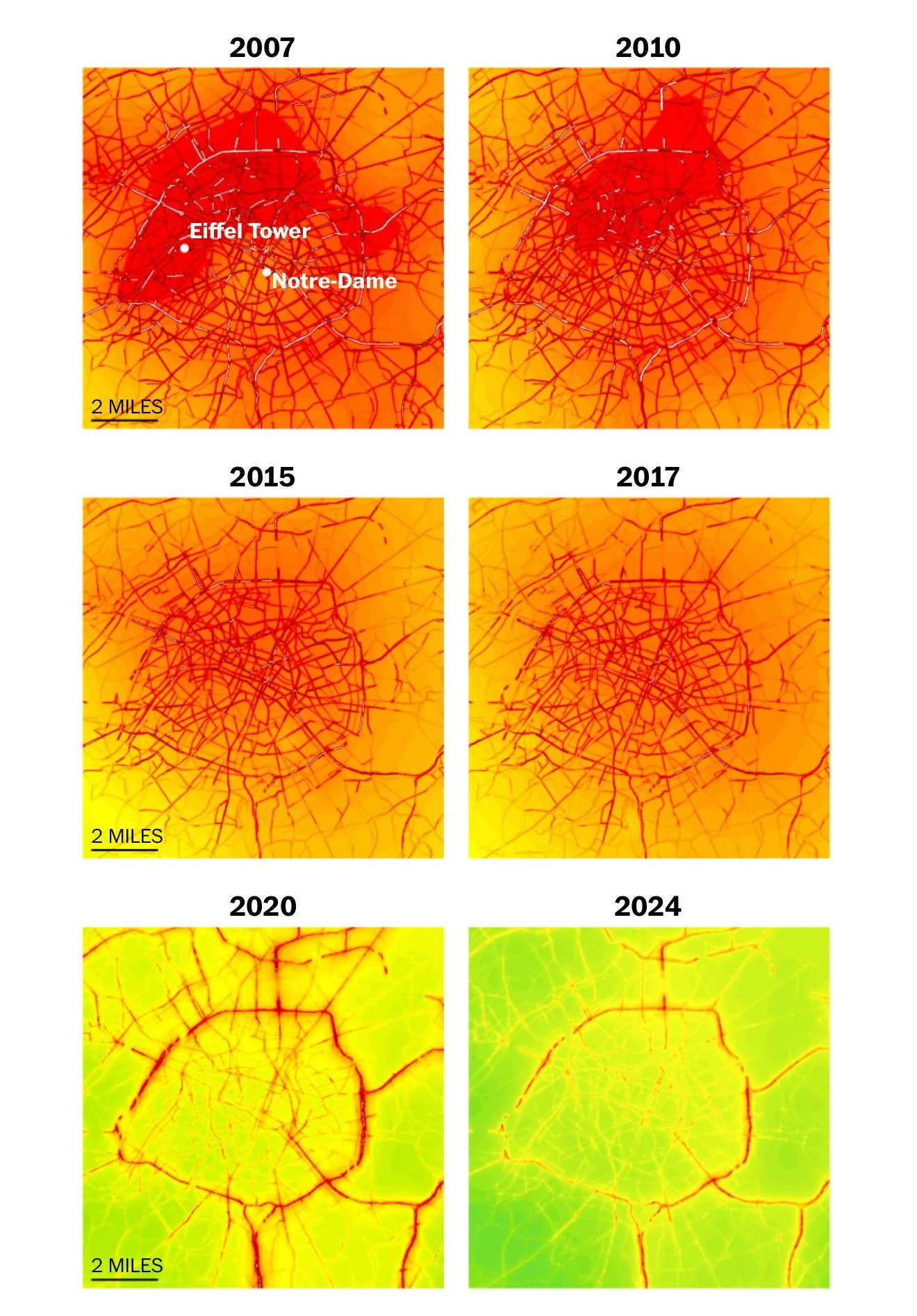
This shift towards fewer cars on the road in comparison to pedestrians and bikes has brought numerous positive effects. With the drop in cars on the road, air pollution levels have gone down. The addition of more trees has also led to a decline in the urban heat island effect, a phenomenon that leads to higher temperatures in urban areas compared to suburbs (read more here).
Additionally, this shift has led to a significant increase in children’s ability to move around their neighborhood independently. In fact, the city of Paris now ranks first amongst European cycling-friendly cities for children, a title previously held by Amsterdam.
Challenges the City Faced
There were concerns that the restriction on driving in certain areas would simply move the prior pollution to other streets where vehicles were allowed. There were similar concerns related to the true long-term success of tree-planting.
Additionally, a soft rise in bike-related accidents had raised safety concerns. However, the public has been very supportive of these changes and the focus on the environment and air quality.
As Hidalgo finishes her term this year, many hope her legacy will continue in making Paris a greener and better city. Meanwhile, as one of the first cities in the world to undergo such a massive transformation in such a short time, Paris serves as proof that combating the climate crisis within a short period isn’t entirely impossible.
Sources: Guardian, Bloomberg